Why Does My Stomach Hurt After Sex?
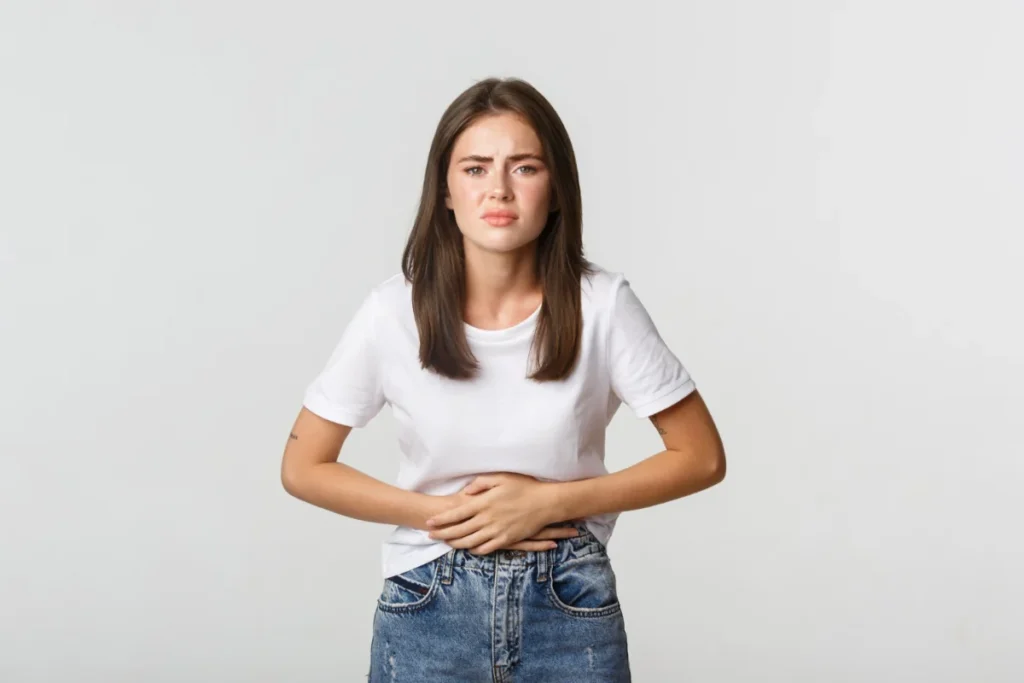
Pain after sexual intercourse is a common but often misunderstood symptom. It can range from a mild, short-lived discomfort that resolves on its own to persistent or severe pain that signals an underlying medical condition requiring treatment.
Occasional, brief twinges—especially after deep penetration or a new sexual position—are often harmless. However, recurrent pain, sharp pain, pain accompanied by bleeding, fever, or digestive symptoms should never be ignored. Understanding when post-sex stomach pain is normal and when it needs medical evaluation is essential for protecting both physical and reproductive health.
Understanding Lower Abdominal Pain After Intercourse
Lower abdominal pain after sex can feel very different from person to person. The type, intensity, location, and timing of the pain provide important diagnostic clues.
Types of Pain
- Dull or spasmodic pain: Comparable to menstrual cramps. Often linked to uterine contractions, bowel irritation, or pelvic muscle tension.
- Sharp or stabbing pain: A sudden, intense pain on one side of the lower abdomen that may limit movement. This raises concern for ovarian cysts, inflammation, or nerve irritation.
Timing of Pain
Ask yourself:
- Does the pain occur during penetration?
- Does it start immediately after orgasm?
- Or does it appear hours later?
Pain during penetration often suggests mechanical causes, while delayed pain may point toward inflammatory, digestive, or muscular factors.
Causes of Lower Abdominal Pain After Intercourse in Women
1. Mechanical and Physiological Causes
Incorrect Positions or Rough Intercourse
Deep penetration can place pressure on the cervix and uterus. Women with a retroverted (tilted) uterus may experience increased strain in positions such as cowgirl or deep thrusting positions.
Experience-based tip:
Many women report that side-lying positions or positions with bent legs reduce cervical pressure and discomfort.
Prolonged Intercourse
Extended friction and muscle fatigue can irritate pelvic tissues, leading to soreness or cramping afterward.
Intercourse During Pregnancy
Increased uterine sensitivity and blood flow can make the uterus more reactive.
Important warning:
In case of persistent pain, vaginal bleeding, rhythmic cramping, or reduced fetal movement, immediate medical evaluation is required to rule out pregnancy-related complications.
2. Medical Causes (Pathophysiology Explained)
Ovarian Cysts
- Functional cysts: Develop during the normal menstrual cycle and often resolve spontaneously.
- Pathological cysts: Larger or abnormal cysts may cause pain.
Pain arises from:
- Pressure on the cyst during penetration
- Stretching of the ovarian capsule
- Rarely, twisting of the cyst’s stalk (torsion), which causes sudden severe pain
Pelvic Inflammatory Disease (PID)
PID causes inflammation and scarring of pelvic tissues. Inflamed structures may adhere to one another, so movement during intercourse stretches these adhesions, resulting in deep, intense pain.
Uterine Fibroids
Fibroids cause pain depending on their location:
- Fibroids on the uterine wall or near the cervix are more likely to be irritated during sex
- Pressure, uterine contractions, or restricted movement contribute to discomfort
Common associated symptoms include:
- Heavy menstrual bleeding
- Pelvic pressure
- Pain during deep penetration
Other Conditions That Can Cause Pain After Sex
- Endometriosis: A deep, throbbing pain is typical. Lesions located behind the uterus or on pelvic ligaments are irritated during penetration.
- Vaginismus: Causes involuntary muscle spasms at the vaginal opening. Pain is localized and cramping rather than abdominal.
- Vulvodynia: Burning or stinging pain at the vulva, often worsened by touch.
- Pelvic floor dysfunction: Tight or uncoordinated muscles can cause aching or cramping pain after intercourse.
Causes of Lower Abdominal Pain After Intercourse in Men
Epididymitis
Inflammation of the epididymis causes testicular and lower abdominal pain. Sexual movement and ejaculation can intensify pain due to pressure and muscular contraction.
Prostatitis
Inflammation of the prostate gland commonly causes:
- Dull pain in the lower abdomen or perineum
- Pain that worsens after ejaculation
- Urinary symptoms or pelvic discomfort
Prompt evaluation is important, as untreated infections may worsen.
How to Prevent Lower Abdominal Pain After Intercourse
- Use a high-quality water- or silicone-based lubricant, especially if hormonal changes (breastfeeding, menopause) cause dryness.
- Experiment with positions that limit penetration depth, such as spooning or side-lying positions.
- Avoid intercourse during active pelvic infections.
- Empty the bladder before sex to reduce pressure.
- Communicate openly with your partner about discomfort.
Talking to Your Doctor About Pain After Sex
Preparing for your appointment improves diagnosis and treatment.
Checklist Before Your Visit
- Pain diary: Note timing, severity, location, and duration of pain
- Accompanying symptoms: Bleeding, discharge, fever, bowel or urinary changes
- Questions to ask:
- What examinations are necessary?
- Do I need imaging tests?
- What treatment options are available?
The Diagnostic Process: How Doctors Find the Cause
- Medical history: Focused questions about pain patterns and symptoms
- Gynecological examination: Palpation and speculum exam
- Imaging: Transvaginal or abdominal ultrasound to detect cysts, fibroids, or endometriosis
- Further tests: Vaginal swabs, urine tests, or blood tests if infection is suspected
Gastrointestinal Causes: When the Intestine Reacts
- Irritable bowel syndrome (IBS): Deep penetration may irritate the bowel, triggering cramps and bloating.
- Constipation: A full rectum can cause pressure pain in certain sexual positions.
Psychological and Emotional Factors
Stress and anxiety can cause pelvic floor muscle tension, leading to pain. Past traumatic experiences may also heighten pain perception through nervous system sensitivity. Addressing emotional health is an important part of treatment.
Can Period Bloating Cause Weight Gain?
Yes—but it’s temporary.
How Much Weight Do People Gain During Period?
Most women gain 1–5 pounds, mainly from water retention.
When Does Period Weight Go Away?
Usually:
- Within a few days after bleeding starts
- Completely gone by the end of the period
What You Can Do to Relieve Period Bloating Quickly
- Apply a warm heating pad
- Stretch the abdominal muscles
- Reduce sodium intake immediately
- Increase water intake
These steps can bring noticeable relief within 24–48 hours.
Concrete Action Plan for Those Affected
- Self-observation: Track pain patterns
- Immediate relief: Heat therapy; pain relief only after medical advice
- Medical evaluation: Seek care for recurring or severe pain
- Communication: Discuss comfort and boundaries with your partner
FAQs:
Why do I get so bloated on my period?
Hormonal changes cause water retention and slower digestion.
Can period bloating cause weight gain?
Yes, but it’s temporary and mostly fluid.
How much weight do people gain during period?
Usually 1–5 pounds.
When does period weight go away?
Typically within a few days after menstruation starts.
Glossary – Important Terms Explained
- Endometriosis: Growth of uterine-like tissue outside the uterus
- Fibroids: Benign muscle tumors of the uterus
- Cervix: Lower part of the uterus opening into the vagina
- PID: Pelvic inflammatory disease caused by infection
- Vaginismus: Involuntary tightening of vaginal muscles
A Note from Lotus Femcare
At Lotus Femcare, we see period bloating not as something women should “just live with,” but as a signal from the body asking for care and balance. Every woman’s cycle is different, and learning what your body needs can turn frustration into confidence.
Your body is not working against you—it’s communicating with you.
And once you listen, things get easier.