
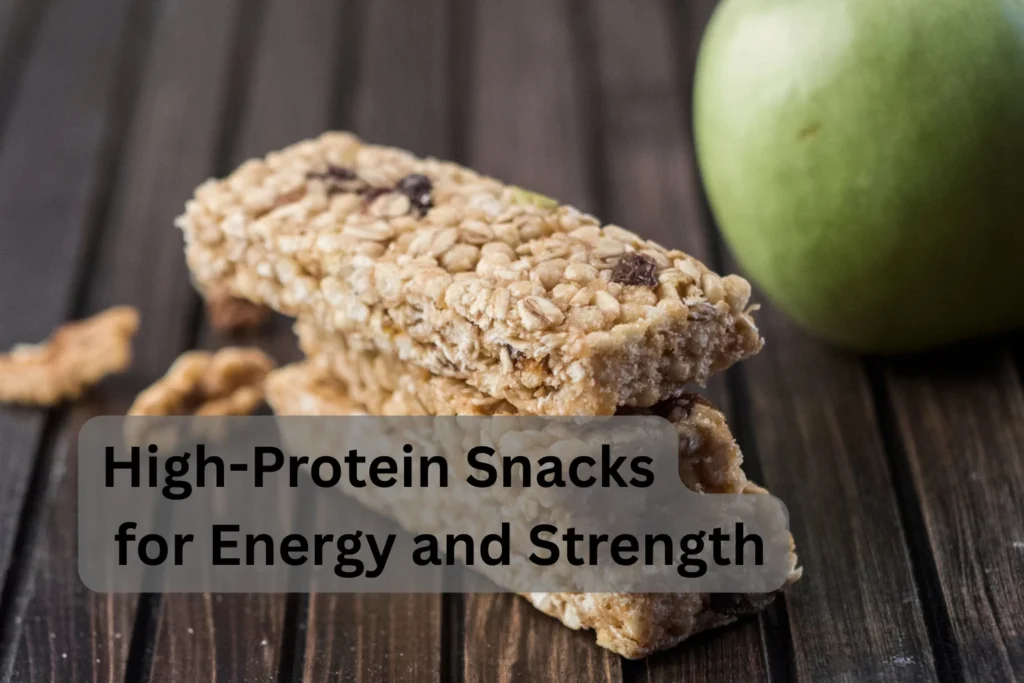
Why High Protein Snacks Matter
Snacking is part of everyday life—whether during busy office hours, post-workout recovery, or late-night cravings. Based on the quality of snacks you consume it may help you to boost your energy levels or may slowly put adverse effects on your body.
Carbohydrate-heavy snacks like cookies or chips tend to spike blood sugar, followed by a crash that leaves us tired and craving more. In contrast, protein-rich snacks stabilize energy, enhance satiety, and support muscle repair.
The Science of Satiety
Protein is not just filling—it actively communicates with the body’s hunger-regulating system. When you eat protein, your digestive system releases satiety hormones such as:
- Cholecystokinin (CCK) – slows gastric emptying, prolonging fullness.
- Glucagon-like peptide-1 (GLP-1) – reduces appetite and helps regulate blood sugar.
- Peptide YY (PYY) – signals the brain to reduce food intake.
Evidence supports this effect: protein has the strongest satiety impact compared to fats and carbohydrates (Paddon-Jones et al., American Journal of Clinical Nutrition, 2008).
In short: choosing the right snacks can mean the difference between steady energy and constant cravings.
Why High Protein Snacks Are a Smart Choice
The Effect of Simple Carbohydrates on Blood Sugar Levels
Snacks high in refined carbohydrates (e.g., pastries, chips, sugary granola bars) often have a high glycemic index (GI). This means they quickly release glucose into the bloodstream. The body responds with a surge of insulin, followed by a sharp drop in blood sugar—leading to fatigue and renewed hunger.
The Stabilizing Effect of High-Protein Alternatives
High-protein snacks, especially when paired with fiber and healthy fats, have a low GI. They digest more slowly, keep blood sugar stable, and reduce the risk of energy crashes. This makes them particularly beneficial for:
- Office workers who want sustained concentration.
- Athletes who need recovery without sugar spikes.
- Individuals managing weight or blood sugar control.
20+ Best High Protein Snacks to Try Anytime
To make it practical, here’s a categorized list of snacks with nutrition info and experience-based tips.
Animal Protein Sources
1. Jerky (Beef, Turkey, or Salmon)
- Protein: 9–12 g per ounce
- Tip: Choose nitrate-free options with <5 g sugar per serving.
2. Hard-Boiled Eggs
- Protein: 6 g per egg
- Tip: Prep a batch ahead; sprinkle with paprika for extra flavor.
3. Greek Yogurt (Classic or Skyr)
- Protein: 10–17 g per cup
- Tip: Choose unsweetened. Skyr offers the highest protein content.
4. Cottage Cheese with Fruit
- Protein: 14 g per ½ cup
- Tip: Combine it with berries or pineapple for a light and energizing snack.
5. Canned Salmon or Tuna
- Protein: 16–18 g per serving
- Tip: Mix with Greek yogurt instead of mayo for a leaner spread.
6. Cheese Sticks or Cubes
- Protein: 6–8 g per stick
- Tip: Opt for part-skim mozzarella to reduce saturated fat.
7. Shrimp Cocktail
- Protein: 18 g per 3 oz
- Tip: Keep cooked shrimp chilled; pair with lemon for freshness.
Plant-Based Protein Sources
8. Roasted Chickpeas
- Protein: 7 g per ½ cup
- Tip: Roast with paprika or cumin for a crunchy, spicy snack.
9. Edamame (Steamed Soybeans)
- Protein: 11 g per cup
- Tip: Sprinkle with chili flakes or sea salt.
10. Tofu Cubes (Baked or Air-Fried)
- Protein: 10 g per ½ cup
- Tip: Marinate in soy sauce + sesame oil before baking.
11. Pumpkin Seeds (Pepitas)
- Protein: 9 g per ounce
- Tip: Great evening snack; rich in magnesium for relaxation.
12. Almonds and Mixed Nuts
- Protein: 6 g per ounce
- Tip: Portion into small bags to avoid overeating.
13. Sunflower Seeds
- Protein: 6 g per ounce
- Tip: Best for desk snacking; chew slowly to increase satiety.
14. Roasted Watermelon Seeds
- Protein: 10 g per ounce
- Tip: Less common but nutrient-rich alternative to chips.
Prepared & Combination protein Snacks
15. Protein Bars
- Protein: 15–20 g per bar
- Tip: Look for ≥15 g protein, ≤8 g sugar, and ≥5 g fiber.
16. Protein Shakes or Smoothies
- Protein: 20–25 g per scoop
- Tip: Blend with spinach and banana for added nutrients.
17. Energy Bites (Homemade)
- Protein: 8–10 g per 2 bites
- Tip: Blend oats with nut butter and protein powder, then chill to set.
18. Apple with Nut Butter
- Protein: ~7 g per serving.
- Tip: Use almond butter for extra vitamin E.
19. Rice Cakes with Peanut Butter
- Protein: 8 g per serving
- Tip: Add chia seeds on top for crunch + fiber.
20. Quinoa Bites
- Protein: 8 g per 3 pieces
- Tip: Combine eggs and cheese, bake, and enjoy as a make-ahead meal.
21. Yogurt Herb Dip with Veggies
- Protein: 8–10 g per serving
- Tip: Mix Greek yogurt with lemon, dill, and a hint of garlic.
- 22. Black Bean Dip with Carrot Sticks
- Protein: 9 g per ½ cup
- Tip: Season with cumin and a splash of lime for a bright kick.
Quick Comparison Table of protein snacks
| Snack Option | Protein | Calories | Optimal Use Case |
| Greek Yogurt (Skyr) | 15–17 g | 130 | Breakfast or post-workout |
| Jerky | 9–12 g | 80–100 | On-the-go, no fridge needed |
| Hard-Boiled Egg | 6 g | 70 | Portable office snack |
| Roasted Chickpeas | 7 g | 100 | Vegan crunchy option |
| Cottage Cheese | 14 g | 120 | Evening hunger control |
| Protein Shake | 20–25 g | 200 | Quick post-exercise recovery |
The Role of Protein in Metabolism: More Than Just Muscle
Protein is often associated only with building muscle—but it has wider metabolic roles:
- Thermic Effect of Food (TEF): The body uses ~20–30% of protein calories for digestion, compared to just 5–10% for carbs. This boosts daily calorie burn.
- Hormone & Neurotransmitter Production: Amino acids from protein are precursors for serotonin and dopamine, which regulate mood, focus, and motivation.
- Tissue Repair & Immune Support: Protein is essential for enzymes, antibodies, and cell regeneration.
This makes protein snacks a key part of not only fitness but also cognitive and metabolic health.
Protein Snacks for Specific Target Groups
For Athletes
- Best after workouts: whey protein shake, cottage cheese with fruit.
For Office Workers
- Low-odor, portable options: almonds, jerky, protein bars.
For Vegans & Vegetarians
- Edamame, lentil hummus, tofu cubes, pea protein shakes.
For Blood Sugar Management
- Snacks combining protein + fiber: celery with almond butter, avocado with cottage cheese.
Risks & Common Misconceptions
- Kidney Health: High protein intake (1.2–2.0 g/kg/day) is safe for healthy individuals.
- Protein Bars = Healthy? Not always. Many contain sugar alcohols, fillers, or palm oil. Choose high-quality versions only.
- “More Protein is Always Better” → Not true. Excess beyond needs doesn’t add benefit; balance with carbs and fats is key.
Case Study: How a Project Manager Overcame Her Afternoon Slump
A 35-year-old project manager struggled with fatigue around 3 p.m., often grabbing cookies that left her hungrier by dinner. She switched to 200 g of low-fat quark with berries (~20 g protein).
After two weeks, she reported:
- No afternoon crashes.
- Reduced evening snacking.
- An average 150 kcal lower dinner intake, confirmed by her food diary.
This aligns with a study by Leidy et al. (Appetite, 2019), which showed that protein-rich afternoon snacks significantly reduce evening calorie intake.
FAQs on High Protein Snacks
Q1. Looking for snacks that pack protein without too many calories?
Hard-boiled eggs, Greek yogurt, roasted chickpeas, and cottage cheese are excellent high protein low calorie snacks.
Q2. What are the best high protein snacks for work?
Portable options such as jerky, almonds, protein bars, and pumpkin seeds.
Q3. Can high protein snacks help with weight loss?
Yes. They regulate satiety hormones, reduce cravings, and lower total calorie intake.
Q4. How much protein should a snack contain?
It largely depends on your activity level—those who are more physically active tend to process protein more efficiently. On average, a good snack provides around 15 to 20 grams of protein.
Q5. Are protein bars a healthy snack?
A quality protein bar has ≥15 g protein, ≤8 g sugar, ≥5 g fiber, and minimal ingredients. It’s a convenient supplement but should not replace whole foods.
Glossary of Key Terms
- Amino acids – building blocks of proteins.
- Cholecystokinin (CCK) – satiety hormone slowing digestion.
- Glucagon-like peptide-1 (GLP-1) – appetite-reducing hormone.
- Glycemic Index (GI) – is a numerical scale that ranks carbohydrate-containing foods based on how quickly and how much they raise blood glucose (sugar) levels after eating, compared to a reference food
- Thermic Effect of Food (TEF) –energy which is used to digest food which is mainly maximum for protein.
Final Thoughts
High-protein snacks are more than just “healthy” options—they’re a strategy to improve satiety, stabilize blood sugar, and support both physical and cognitive performance.
By understanding the science behind protein, tailoring snack choices to your needs, and choosing wisely (whole foods over ultra-processed options), you set yourself up for consistent energy and long-term wellness.
Next time hunger strikes, choose a protein-rich snack—your body and mind will thank you.